


The Mystery of (Not-So) Young Adult Fiction
Guilty — that’s me — of reading Young Adult novels instead of the latest literary fiction by the latest literary lion or lioness.
I devoured Harry Potter, The Golden Compass, even Hunger Games (although I admit it got a little tedious by Volume Three), while nibbling demurely at some prize-winning tome in which generations of people where it snows a lot have been artistically victimizing each for … generations.
Don’t get me wrong. As a card-carrying English graduate, I fervently support the production of literature. I’m just having a tough time getting through it. And I’m not alone.
The Harry Potter series has sold 450 million copies to date, never mind the movies. Most literary novels are borrowed from libraries and returned, often unread.
In its first weekend, The Fault in Our Stars, a movie based on a book about two teenagers in love while both are dying of cancer, outgrossed everything else Hollywood threw at us, including Edge of Tomorrow, the latest Tom Cruise misadventure in advanced ordnance ($66 million US versus $40.5 million). Kids, do you know where your parents are?
 In a Publisher’s Weekly study cited in a CBC story, 55 per cent of Young Adult books are bought by adults, 78 per cent for their own enjoyment. (Of course, the other 22 per cent could be lying. “I’m just buying this for my daughter!”)
Is this predilection for Young Adult fiction evidence of a mass dumbing down or an epidemic of ADD? Well, probably. But I think there’s more going on. Yes, Young Adult novels are easier to read. Yes, they usually end in a happy, or at least a satisfactory, ending.
Is that so wrong? It may have something to do with “plot.” Say what you will about Harry Potter and his Hogwarts homies, the entire series is driven by an intertwining network of fiendishly entertaining plotlines that keep everyone on tenterhooks until the end of volume eight.
Author J.K. Rowling tried her hand at literary fiction with The Casual Vacancy, but Potter fans held their breath and tapped their feet until she came up with The Cuckoo’s Calling, a detective thriller she tried to write under a pseudonym. Of course, she was almost instantly uncloaked. “Cuckoo” displays all the page-turning virtues of the Potter series, but it’s allegedly written for grownups.
Speaking of plot, A Song of Ice and Fire, the series of books upon which Game of Thrones, the most popular HBO cable series ever, is based, so far features five exquisitely plotted volumes. It also features more sex, incest, gore, betrayal and terror than a Quentin Tarantino grindhouse tribute, so it’s definitely not for kids, although with today’s kids, you never know.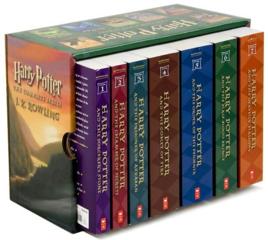
So you can put this shameful fascination with Young Adult fiction down to a worldwide failure to launch — or maybe a driving plot is the missing ingredient in more-heralded fare. I wish we could ask Charles Dickens, the master of great literature featuring great plots.
But he died, alas, without finishing The Mystery of Edwin Drood.

No Comments