



The Cave – A Review

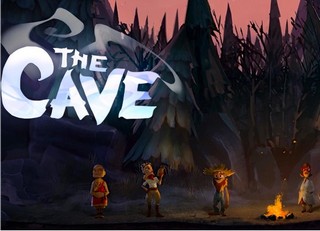 Poetry should leave its reader with something beautiful and so should a well-written game. Games, like poetry, demand their reader's active participation in discovering meaning beyond what is apparent on the surface. As a story, The Cave teaches us to go deeper in more ways than one.
The Cave is an Adventure/Puzzle game with simple platforming elements and classic "charge the battery in the electric eel tank" puzzles. Seven adventurers have come to The Cave in search of the objects of their desire, and you choose three of them to lead into The Cave.
As you explore The Cave, you uncover "cave paintings", showing the stories of your chosen characters through captioned snapshots. In addition to the three areas that are explored in every game, each character also has their own unique section, which sheds further light on each character's story.
These stories catch the player's interest because it quickly becomes evident that the heroes are not good people. In the words of The Cave itself, which serves as both setting and narrator: "It's a story of seven people, and a glimpse into a dark place in each of their hearts. But be careful before you judge, there is a dark place in your heart, as well. Someday, you will find yourself descending my depths in search of what you desire, and you might not like what you find either."
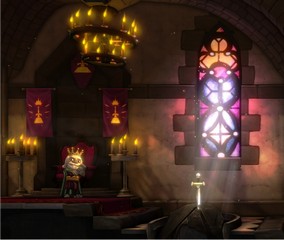
For instance, the Knight has come to The Cave in search of a powerful sword, which he seeks in order to escape the consequences of his decisions. When people look to him for help, he looks the other way. When called to battle, he hides.
When a dragon attacks the kingdom and the king calls him to action, the Knight, having neither the experience nor the nerve to face the dragon, sets off on a quest to find the most powerful, most distant sword he can find. Hopefully, if he returns, the dragon will have already left, or perhaps fall more easily, thanks to the sword's amazing power. All the glory and none of the work.
It's pretty common for a plot to take a collection of unlikely heroes, and call them to greatness through shared struggles and experiences. That doesn't happen here. Rather, The Cave depicts each character's journey from being a tragic, dubiously sympathetic person to being an outright jerk.
Nobody obtains their desired object without killing someone. And a few characters unleash widespread destruction along the way. The Knight's attempt to steal treasure to impress a princess ends in disaster when he carelessly releases an angry dragon. It wastes little time in gobbling her up.
After a few more trials, with moderately interesting puzzles and ethically dubious actions interspersed, the three adventurers leave The Cave with their ill-gotten gains. The Knight returns to his kingdom just as the dragon assaults the castle, and confronts it with his magic sword! Then… the Knight is incinerated along with everyone else. The End.
On the whole, The Cave was a fairly fun game, with most of my frustration reserved for the occasionally imprecise controls. But the story it told was a bitter one, and its moral, while framed in a traditional framework, was decidedly off-putting.
Each of the characters connects fairly closely with one of the seven deadly sins: for example the Knight, ignoring opportunities to help others and better himself represents Sloth. Each of the characters plays true to their vice in their quest for their desired object. And acquiring the object does not bring victory, but ruin.
A useful lesson in ethics, perhaps, but a demoralizing one.
The problem I had with this, and what I felt held this game back from "leaving me with something beautiful", was the impossibility of redemption. This is a common flaw, especially in more recent media.
Avoiding the often-cliche "redemption scene" can be surprising and emotionally effective but it runs against a core theme of Christianity: that Christ came to call sinners. That none of us, no matter how bad our pasts, no matter how far into the grip of sin we fall, are beyond salvation in Christ.
Of course, it is conceivable that a person might reject this offer, but for a story to neglect even the
possibility of redemption rings false.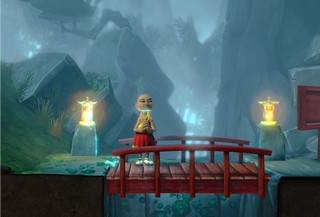
Like its puzzles, The Cave's path to redemption is hidden, subtle, and blindingly obvious in retrospect. I discovered it quite by accident; and only after I'd already finished the game twice.
Redemption isn't easy to find but the opportunity is always there, waiting for you. Finding a trace of it profoundly changed my perspective on The Cave, and I am glad to say that The Cave has left me with something beautiful: hope.
If even these ethical train wrecks can find redemption and (without erasing their past misdeeds) leave The Cave with the resolve to reform their lives and confront the damage caused by their misdeeds, then there's hope for all of us.
The Cave is a story well told, exploring how what is apparently hopeless has the potential for redemption deep within it. In its own words, "I know you'll leave here with a new perspective on the choices to come. Someday, you yourself shall explore my mysterious depths. And when we meet again, on that journey, I am confidant you will make the right decisions. Because, I am… The Cave."

No Comments