



Gorillas, Malaria and the Spiritual Dignity of the Human Person
The Bible and the Catholic theological tradition claim that we are made in the image and likeness of God. We are made for God, for union with God in faith, hope and love. We are hearers of the Word, called to welcome the Spirit of God already present in our hearts.
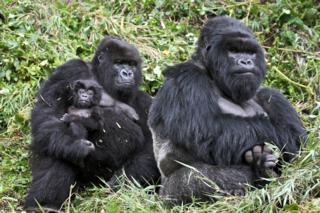 It seems that we are also made to receive much more. A recent study has confirmed that humans got the most deadliest form of malaria from our western gorilla cousins. As humans, we are infected by five Plasmodium species with Plasmodium falciparum causing by far the greatest morbidity and mortality in humans. Each year there are several hundred million cases of clinical malaria and more than one million deaths from malaria (over 2700 deaths per day). It used to be thought that the bad air (mal aire) of swamps caused such deaths. We now know of course that mosquitoes, regular inhabitants of swamps, act as the vector for the blood-borne malarial disease.
We receive a lot of other infectious diseases from our feathered and non-feathered friends. Chimpanzees are the source of HIV-1, the major cause of AIDS. Think of the public health issues surrounding swine flu and avian or bird flu. Mad cow disease, West Nile virus, SARS and rabies are but a few examples of the many other so-called zoonotic viruses that have jumped from animals into humans, causing serious outbreaks from time to time. 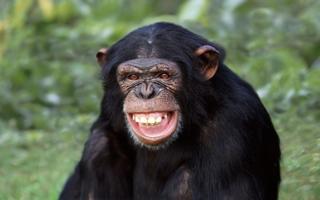
In fact, of the more than 1400 human pathogens, over 60% are zoonotics. Some animals may be our best friends, but there can be a price to pay for such close contact over the millennia.
Seen from this perspective, nature seems to pursue its own course without any regard for the spiritual dignity of humans. Yet, we also know that behind humankind and nature there exists a unity. We call that unity God.
 I don't claim to comprehend this unity of tensions. Many are tempted to choose one pole or the other. For some, materialism defines all there is. For others, spiritualism is a constant temptation. For materialists, the earth is all there is. For spiritualists, why worry about earth when it's heaven we seek. But, as humans, we're both – body and soul, spirit and nature, heaven and earth. Humans are not "either/or," but "both/and."
Monisms oversimplify the human person. Rather, we're like those mighty trees – rooted in the earth and reaching out to heaven – made in the image of God and products of the stardust of the universe.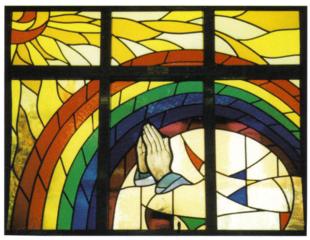
Spanish Jesuits of the early 1600s are credited with introducing the bark of the Chichona tree from Peru into Europe. Quinine, an extract from the so-called Jesuit's bark, was an early successful remedy for malaria. Those early Jesuits would have known little of the cause and spread of malaria. But, I suspect that their efforts at developing a possible cure for malaria revealed their denial of any final opposition between sprit and flesh. They would not have known of the gorilla-malaria connection, but they would have rejoiced in the fact that the origin and goal of nature and humankind are one and the same.

No Comments