



Labrador Journey – or, what I did on my summer holidays

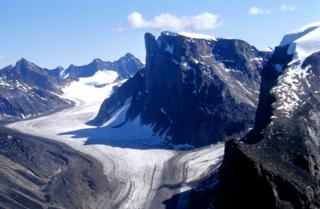
Our destination was the Benedict Mountains, a two-hour steam south from Makkovik on the northern Labrador coast. As we approached a long, lonely beach, we saw that we were not alone. A large sow and her two cubs ambled along the rocky beach – away from us, thankfully. The swell was rising and our guide motioned us to get onto the beach as quickly as we could. Heavy swells would beach the boat leaving the 75 hp engines useless and possibly damaged. Off we plopped unto the beach enabling our guide to set off safely into deeper and calmer waters. He would meet us several kilometers down the coast at the end of the day.
We had come to collect plants and lichens on this remote northern coast of Labrador – the land that God gave to Cain according to an early explorer. Our European predecessor must have felt far removed from the tamed pastoral scenes of home. Some of the oldest rocks on the planet come from this part of Labrador and the cold Labrador current carries so many Greenland icebergs that the locals have named this part of the coast as "iceberg alley." That day under the blazing sun, glacial blue icebergs abounded. 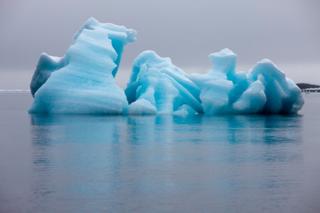
I was part of a botanical expedition sponsored by the Newfoundland and Labrador Wildlife Division and the Atlantic Canada Conservation Data Centre. My job was to collect as many different lichens as I could in the seven days afforded to us.
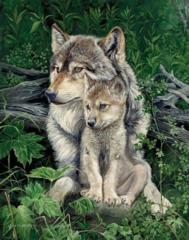
So many images flood my memory from those few days on the Labrador coast. A mother wolf and her 4 pups, black bears and their cubs, porpoises, seals, catching Arctic char, baked caribou and cloudberry pie for supper, rich productive forests sheltered in the valleys, massive old peaks covered with extensive snowfields in the warm August sun, the solid Canadian shield that determines the landscape … and the quiet, hospitable people, descendents of Inuit and settler ancestry.
 What impressed me was the peoples' close intimacy with the land. Our guide carried a rifle and pump action shotgun – just in case he saw something interesting. To his credit he did not pursue a school of porpoises that we encountered one day on the water. His reason? He was on charter with us and did not think it proper to hunt while "on the job." We checked Atlantic salmon and Arctic char nets, chipped off some "bergie bits" to cool down our catch of char and even landed on a small iceberg to secure some ice for a rum and coke. Those 10,000 year-old ice cubes gave sparkle to the Jamaican rum.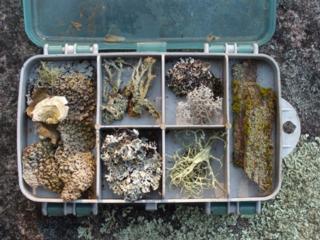
After our guide picked us up at the end of the day, he indicated that he had seen five more black bear from the water. Obviously, we had companions on our excursion that day. Bear signs were everywhere. I had never seen so many well-used "bear trails" and fresh, abundant bear scat. The bruins had no doubt spied us from a safe distance. We were in their country. They must have known that we simply friendly visitors out for a pleasant day of lichen hunting.

No Comments