



Happy Birthday Daylight Savings Time
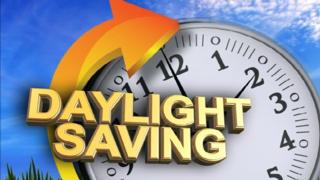
Daylight Savings Time (DST) celebrates its 100th birthday on 30 April 2016. Its major advantages are that it gives us longer summer evenings and helps with energy conservation. No doubt many of us fondly remember long summer evenings playing outdoors. Most areas of Canada observe DST. There are pockets of naysayers scattered throughout the country. The most notable exception is the majority of the province of Saskatchewan. The province is on Central Standard Time, effectively keeping them on DST year-round.
Who had the idea of DST? Benjamin Franklin is incorrectly credited with the idea of DST. He was an American envoy to France and anonymously published a letter suggesting that Parisians economize on candles by rising earlier to use morning light. His 1784 satire proposed taxing window shutters and rationing candles. But his satirical writing was not pushing forward an idea.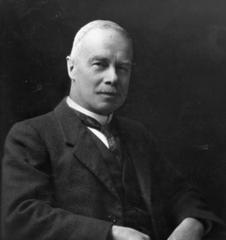
An early proponent was George Vernon Hudson in New Zealand. This was in the 1895. He wanted more time to pursue his hobby of collecting insects after he got off work from the post office. There was interest in his idea, but no action.
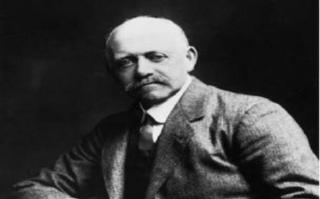
William Willett, a prominent English builder and outdoorsman, had a similar idea while riding his horse on the outskirts of London early in the morning one day in the early 20th century. He thought it was unfortunate that others were sleeping through a large part of a summer's day. He published a brochure in 1907 entitled"The Waste of Daylight" and zealously pushed for the adoption of his idea of longer summer evenings. He died a year before the idea was adopted in 1916. He had a follower in a young Winston Churchill: "We borrow an hour one night in April; we pay it back with golden interest five months later." A bill was presented to Parliament, but nothing came of it until war came along.
 Its adoption was not for the sake of insect collecting or horse riding. As is so often the case, it had more to do with war. It was the middle of the First World War and Germany and Austria-Hungary decided to put the clocks forward by an hour during the summer to take advantage of early morning light and save precious coal for the war effort. Britain and most of its allies, Canada included, followed soon after.
The USA came on board in 1918. In places near the equator there is no advantage because the length of day and night does not vary much through the year. Most of Asia has never bothered with it. About a fifth of the world observes DST.Although most of us enjoy the longer evenings, the real advantage from DST is that it saves energy and spreads its use more evenly throughout the day. David Prerau, author of "Seize the Daylight" names other advantages, including a reduction in accidents, a reduction in crime, and an improvement in the quality of life as we spend more time out and about on summer evenings.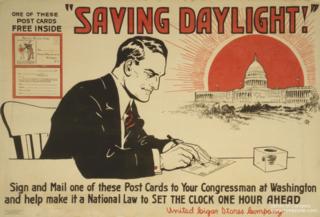
There are certainly critics of DST. Retailers, sporting activities and cafes, appreciate putting clocks forward but it can be problematic for activities, such as farming, that are tied to sunlight. Supporters of DST say it decreases energy consumption by reducing the need for lighting and heating, but the actual effect on overall energy consumption is disputed.
Rich nations such as Canada and the USA see enough advantages that we recently extended DST. As of 2007 it starts on the second Sunday in March. There is an advantage in our two nations being synchronized. It helps to promote consistent economic and social interactions. There is also an advantage for those of us who enjoy the prolonged evening. Here’s to many of those in the next few months!

No Comments