



Herbarium of Life

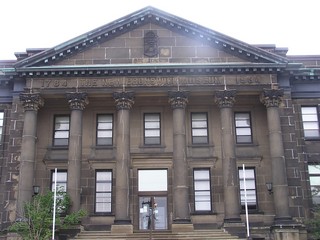 Here I was in the basement of the New Brunswick Museum, surrounded by tall metal cabinets stuffed with all kinds of dried plants, mushrooms and lichens. Down the hallway, jars of lifeless creatures of all kinds adorned the walls from floor to ceiling. Another room was stuffed with massive bones. Wooden crates held their own secret. Mounted birds and mammals watched my every move. The stuffy odour of ages past thickened the air. Aged photos of venerable-looking, bearded men reminded me of the pioneers of New Brunswick natural history.
Some consider museums of natural history as lifeless places with little meaning for the advance of contemporary science. Glorified stamp collecting some would call it – especially when compared to the sophistication of mechanistic based, reductionist science.
I can understand such sentiments. But, proponents of such views judge too harshly.
Museums of natural history point to the great human desire to name, to relate one object to another, to explain the variation and variety of nature. That's basically the scientific impulse, to note the variability of nature and to explain the reason for such variability. Such was the fundamental question posed by the young naturalist, Charles Darwin, on the HMS Beagle. How can we account for the diversity of life?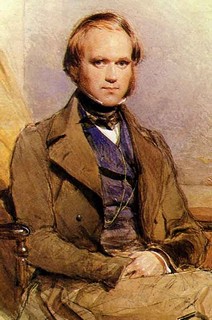
Museums of natural history point to the insatiable human desire to name, correlate and understand the great diversity of life. Today, of course, the tools available for such endeavours go far beyond anything available to the young Darwin. But, regardless of the sophistication of the molecular phylogenetic tools and other research methods available today, the same question remains – how diverse is life and how may we account for such diversity.
At one point I had to check some lichens in the herbarium cabinets. Before my eyes appeared several familiar names. Not names of lichens, but rather names of lichenologists from the past. And not any lichenologist, but lichenologists who were also priests and religious brothers.
Delightful to hold in my hands was a sample of the lichen Arctoparmelia centrifuga (L.) Hale collected by Frerè Marie-Victorin in Rivière-du-Loup in July 1913. Europe was on the verge of a hellish war and here in Quebec, a brother was in the field collecting lichens. Or Cladonia turgida Wainio collected by the two priests, Arthème Dutilly, OMI, and Ernest Lepage, while canoeing the James Bay area in the summer of 1943. As they focused on the small beautiful things in life, the world was aflame with World War II. 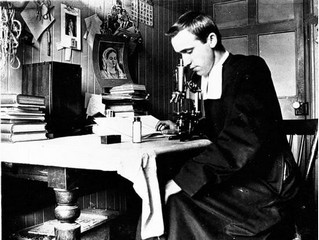
Who would have imaged that years later, the collections of these "religious lichenologists" would one day be admired in the basement of the New Brunswick Museum by a brother lichenologist "of the cloth." I like to image that my collections will, maybe a century from now, be held and admired by another who also took delight in the beauty of life.
So, while natural history museums house many dead things, they actually witness to hope and life. They witness to the beauty of life, the giftedness of life – and the constant, never-ending human desire to know something of that life.

No Comments