I confess that I have not really suffered in my life, not yet. I have not lived 24 hours in Dr. Donald Low’s cancerous body and do not personally know the physical pain that accompanies a brain tumour. Must that lack of physical experience silence me and declare me ignorant about suffering? Doctor Low was a generous and valiant physician who gave himself fully to protecting the world from SARS, from much suffering and death. His record speaks to an unselfish dedication to life, and so he is a credible voice. But could he be missing a whole dimension of what life is and can be?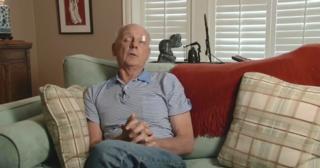
I write these reflections on September 26th, the feast day of the Canadian Jesuit Martyrs – Jean de Brébeuf, Isaac Jogues and their companions. These men could have avoided the atrocities of their deaths, they could have returned to the safety of Quebec and even to the comfort of a life of refinement in France. Instead, well aware of what might loom, they chose to stay with the Huron people they accompanied, as Dr. Low chose to stay on the job during the SARS epidemic and assumed responsibility for the health of all of us.
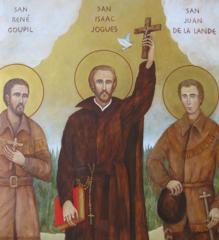 The difference between those early Jesuits and the doctor is that rather than seeing their inevitable suffering and death as an enemy, they were able to embrace their fate. They could do this, because they saw their sufferings as the Cross. They were with Christ carrying the Cross and He was carrying it with them. In this companionship they found strength and comfort amidst the horrible fears and tortures inflicted upon them. The preposition with (with Christ) made it bearable, and in a mystical way, even desirable. But another preposition also made it possible for them to embrace that suffering, the preposition for. They suffered out of love for their people. As St. Paul wrote in 2 Corinthians 4, 7-15, “Death is at work in us, but life in you.” They believed that by accepting their pain, they were loving and helping their people, they were giving them life!
It is often said, “I don’t want my relatives and friends to have to see me in pain. I do not want to be a burden to them.” When we are diminished, in need of help, and in pain, this is when we offer to others a great gift. It is at that moment that we can call forth generosity and love from others. People love us, but cannot find a way to let that love flow out from them. Nor can they find a way into our hearts. Often it takes our vulnerability to open the font of their love. As a physician Dr. Low must have had the privilege of seeing the mutual intimate expressions of love that take place between patient and family, between patient and caregiver, in hospital rooms all over the world. Yes, there is often horrible pain in the dying days, which palliative care experts continue to try to lessen. But there is also so very much love, when someone we care about is hurting. Relatives will often say, “It is so hard for me to be here, but I cannot stay away. There is no place where I would rather be.”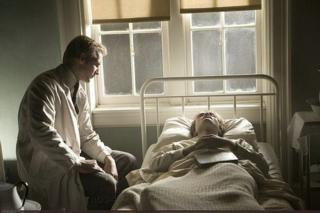
It is in facing our diminishment, in accepting our vulnerability, in becoming totally dependent on others, and in losing our privacy, our physical and our mental dignity, that we learn the truth about ourselves – we are creature. And we are loveable for who we are, not for our abilities and not for all of our accomplishments. The blessing of diminishment, of illness and of dying is that in those moments we can finally learn to receive. Only when we have learned to receive are we ready to see God and to receive God’s love.
In life we are called to give of ourselves to others, to “kiss the world beautiful” as a Martyn Joseph song says. As a physician Dr. Low gave of himself and “kissed the world beautiful”. But in all humility, I can say I was privileged to come to know something that did not seem to have been revealed to Dr. Low. I know that in aging, in illness, and in dying we can learn the other part of being human, we can learn to receive. This is the beginning of heaven.