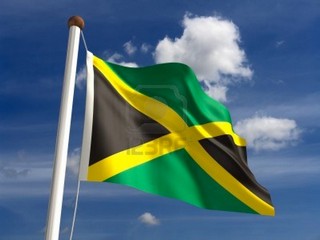
In general, Jamaicans just love music! Literally, the colorful array of races that make up the Jamaican society epitomizes its motto “Out of many, one people” and equally, its musical culture is influenced by many genres and musical cultures. As such, Jamaicans have developed a very sophisticated taste for music which permeates every aspect of its culture.
This cultural importance of music is palpable, as music can be heard and felt everywhere, almost all the time. Every social event has a strong component of music. With its dominant afro-centric rhythms, it is common to find persons who display knowledge, appreciation and ability to play the African drums and percussions. Given the diverse musical influence, the Jamaican musician is especially gifted with the ability to adopt the local reggae genre to many music genres.
With this strong musical culture, it is no wonder that most Christian churches use music effectively for evangelization. The Seventh Day Adventist church, for example, the largest Christian denomination in Jamaica, has focused on and used music to its advantage to build its congregations. Youths are especially drawn and targeted by music, for where music is the focus, there you will find them.
Music in the liturgy of the Catholic Church need be no less effective in this regard, and local communities that engage vibrant music ministries, particularly among the youth, are almost invariably those that seem to grow and flourish. 
And yet the continuing decline in numbers of Catholics has not yet adequately inspired greater reflection and strategizing to strengthen the great connection between music and growth. And even though some work has been done in the past to enrich Eucharistic celebrations with creative music forms, there is much more that can be done with music to enhance the liturgical experience.
It is not that there is an absence of music in the Church; rather, it is that the music preferred by the social majority does not attract the level of support or attention that is required for its proper development. The Church has had a more passive attitude in how it deploys its resources for the development of popular music and the use of popular instruments such as drums, bass, guitars etc.
Moreover, it generally favors a particular style of music that is alien to the popular culture. Hence, the organ remains for the most part the dominant musical instrument preferred by cultural minority. Thus, while committed Catholics remain faithful to liturgical worship and their rooted relationship to the Eucharist, obvious opportunities for effective evangelization are lost.
Youth who are especially gifted with time, energy and new ideas often express an experience of alienation from their active participation in liturgy – whether in participating in discussions of creative ideas or by taking advantage of the tremendous beauty of liturgical music. 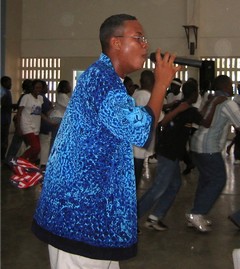
Many young people seek leadership and support for their efforts to engage in musical activities that will both develop their personal talents and skills, as well as give cultivate their desires to express themselves in the liturgical celebration.
An important dimension to current evangelization strategies might best copy and re-kindle the movements of the early seventies and eighties which led to revival in the Church: namely, the spontaneous development of liturgical creativity, particularly in the area of music and visual media.
Music is a potent tool for communicating the message of the good news of Christ present among us. It is a medium that can express feelings, thoughts and words in such a manner as to move the heart and the soul of the individual.
Given the unique cultural and religious experience of the Jamaican people, it is the use of poetic license that the creators of music communicate the beauty of these experiences. It is therefore important that the Church work to cultivate and promote the environment that will facilitate and promote an environment that will facilitate and encourage musical expression, and thereby provide effective forms of evangelization.
The creativity of Jamaicans is not easily suppressed, and an environment that does not provide an outlet for this creativity, or which attempts to restrain it, leads to the general movement to those institutions that will provide the facilities or programmes that promote the development of popular music relevant to the people and its culture. But consciousness of the importance of such facilities and programmes offers the Church a valuable opportunity for growth and development.
Too often we are preoccupied with fundraising. Perhaps the Church would benefit in “fun-raising”, allowing the talents and gifts of its people (through the use of music, for example) to rally its members toward a stronger sense of participation in the Eucharistic community. 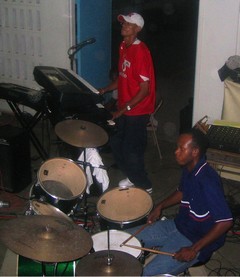
Music is one of those powerful tools that we can use to achieve this. But the music must be our own, created by the people for the people’s use. It should be composed and performed by the best of our musicians for the good of all the people. And like so much of our Jamaican music already, the exposure of our liturgical music to the rest of the world offers wonderful opportunities for the Jamaican people to tell the story of God working among us.
In this way, the Jamaican Church can become a light to the nations, and its message of the incarnation will be effectively preached. In this way, we as a church will see a clearer vision of our mission and engage our people in a meaningful evangelization.
Embracing music as an integral part of the development of the Church is critical for our growth and nourishment as a people. Given the importance of music in the life of the ordinary Jamaican, it is essential to begin the process of forging a frame-work that will encourage and support its development.
This framework must first recognize the vast talent and giftedness of the Jamaican people. And it must see beyond what currently exists in our musical worship as a form of potency for much greater development. Here is a worthwhile investment: for in it lies a great opportunity for fulfilling its mission in Jamaica to become a vibrant church and a light to the nations.